VVMA WINTER CONFERENCE MARCH 7- SUNDAY MARCH 8
DELTA HOTELS BY MARRIOTT
THANK YOU FOR SUPPORTING THE VVMA CONTINUING EDUCATION PROGRAMS!
Thank You Platinum Sponsor:  Thank You Silver Sponsors: Thank You Silver Sponsors:
   
Thank You Bronze Sponsor:

Saturday Programs: 9:00 AM- 4:45 PM; 6 CE Credits Each
Small Animal Track: 6 CE hours by Dr. Ingar Krebs 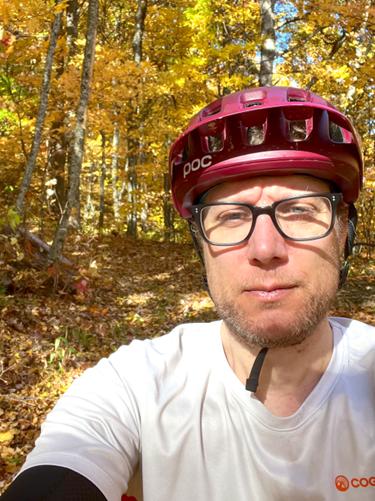
Dr. Krebs is a small animal surgeon with a wide variety of experiences in the veterinary field. In his career, he has practice as a rural general practitioner, as an academic surgeon, and as a surgeon and medical director in private specialty practice, and now works in the animal welfare field. He has a thorough understanding of both a “best possible” and "minimum requirement” approach to veterinary surgery and is passionate about reconciling both ends of that spectrum into a practical approach . He hopes to improve access to veterinary care through theoretical and practical surgical teaching. Dr. Krebs lives in Asheville, NC with his family and is always happy to have a nerdy conversation about anything surgery or mountain biking related.
Course Description:
Surgical Spectrum of Care Basics - What Do We Really Need?
The referral-level standard of care is increasingly unattainable for many pet owners. This session discusses how to approach surgical decision making from a general practitioner’s perspective and evaluate what aspects of specialty practice are essential and where modification of the academic “gold standard” still results in good medical practice based on scientific evidence.
Learning Objectives:
- Explain the concept of spectrum of care in a veterinary surgery setting.
- Examine common diagnostics performed in surgical cases and why they are needed or not needed to change surgical success.
- Evaluate what commonly employed standards and methods in surgical practice have the highest impact on patient outcome.
- Assess how different levels of post-operative treatment can affect the course of recovery..
- Apply these concepts to create a more cost-effective approach to veterinary surgery
Soft Tissue Surgery Through the Lens of Spectrum of Care
Soft tissue cases with good outcome potential can be frustrating for veterinarians because client resource restraints often lead to preventable euthanasia. In this session, we will discuss how diagnostic and treatment approaches can be modified from a “gold standard” to lower cost while maximizing outcome in select soft tissue surgical diseases. We will also discuss limits of this modified approach and discuss the importance of case selection and setting appropriate client expectations
Learning Objectives
- Examine which diagnostics and therapeutics have the biggest effect in GI surgical disease, with a focus on GI foreign body and gastric dilatation and volvulus.
- Compare the merits of medical an surgical treatment for feline urinary obstruction cases.
- Explore clinical approaches to non-traumatic hemoabdomen cases and how diagnostics change decision-making and prognosis.
General Practice Orthopedics Starter Kit - Theory, Nuts, and Bolts
Performing orthopedic surgery in general practice can be intimidating because treatment options are often complex, gaining skills can be difficult, and implant and instrumentation requires significant financial investment. In this session, we will discuss conditions and treatments that lend themselves well to enter the realm of orthopedic surgery. This includes implant systems, non-surgical options, and amputations. We will emphasize the importance of case and treatment selection to improve the chances of successful outcomes and discuss common pitfalls for common surgical procedures.
Learning objectives
- Evaluate the barriers for entry to orthopedic surgery.
- Identify the components that ensure adhering to a standard of care.
- Discuss general principles of orthopedic surgery that help with early case selection.
- Propose a set of procedures that can form the basis for building orthopedic surgical skills.
- List orthopedic conditions that require more advanced expertise or equipment, or that have high complication rates.
Your Dermis Is Showing - Traumatic Wounds From Inflicted to Healed
In this session we will apply a practical approach to traumatic wounds based on academic knowledge. We will discuss common mistakes and how deploying open wound management techniques can improve outcome without creating more work. This includes a discussion of commonly used moist wound care products to make open wound management less intimidating.
Learning Objectives:
- Recall factors that heavily influence wound healing.
- Devise a general approach to triaging, treating, and closing traumatic wounds.
- Discuss different types of wound care products.
- Apply strategies and products to successfully treat wounds.
When Tension is High - Surgical Gymnastics to Close Large Wounds
In this session we will evaluate tension-relieving and other reconstructive surgery techniques to close large wound defects following trauma or mass removal. We will introduce the use of local tension relieving techniques, as well as basic skin flaps that can easily be utilized in general practice. We will discuss common complications and how to approach their treatment.
Learning Objectives:
- Review the main contributors to failure of wound closure.
- Examine local tension relieving techniques.
- Explain basic tenets of simple flap development
- Discuss specific flap configuration and use cases.
- Devise strategies to deal with common complications.
Gut Check - When To Cut The GI Tract, Where, and How
In this session, we will discuss tips and tricks to work up GI disease and explore decision making and treatment options. We will discuss techniques often utilized in specialty practice that can easily be implemented in a general practice setting to confidently and successfully perform gastric surgery, including gastrotomy, partial gastrectomy, gastropexy, and small intestinal surgery., including enterotomies and gastric resection and anastomosis.
Learning Objectives:
- Evaluate specific diagnostics and review diagnostic results to make a diagnose of gastrointestinal foreign objects.
- Review basic principles of gastrointestinal surgery and strategies to minimize the risk of complications.
- Discuss specific surgical techniques utilized in gastric surgical procedures - gastrotomy, partial gastrectomy, and gastropexy.
- Illustrate the steps to successfully perform small intestinal enterotomies and resection and anastomoses.
- Utilize tips and tricks to make Gi surgery easier and gain some peace of mind.
Large Animal Dairy/Bovine with Dr. Paul Virkler - 6 CE Credits 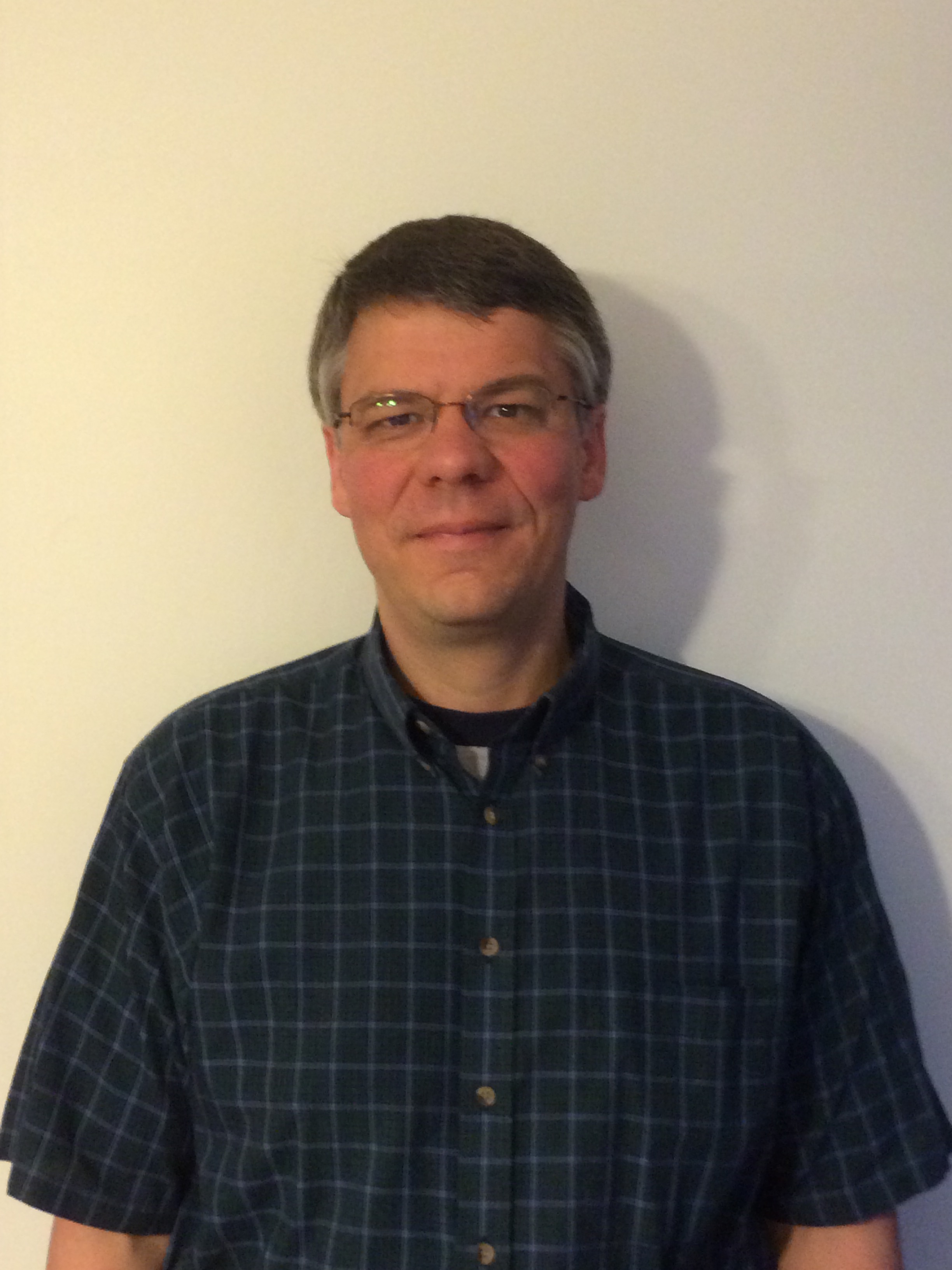
Dr. Paul Virkler was born and raised on a small dairy farm in Lewis County, NY. He attended Cornell University where he obtained both his BS and DVM and then spent seven years as a cattle veterinarian at Attica Veterinary Associates in Western NY. He subsequently worked at DeLaval as a technical services veterinarian covering North America and then at the Animal Health Diagnostic Center in the Veterinary Support Services unit. Dr. Virkler then spent ten years as an extension veterinarian for Quality Milk Production Services where he provided science based advice to dairy producers and their veterinarians as an integral part of their udder health and milk quality teams. He also taught milk quality related courses and was involved in applied research in the area of udder health, milking equipment, mastitis, and milk quality. Currently he works for the New York State Department of Agriculture and Markets covering four counties in Northern NY doing New York State Cattle Health Assurance visits as well as other regulatory tasks.
Topics and Learning Objectives:
1) Mastitis Outbreak Investigations Using Recent Case Studies:
- Develop an appreciation for the process of performing a risk assessment on a herd to investigate a mastitis problem.
- Understand the steps necessary to dig deeper into the opportunity areas for herds in order to come up with a prioritized list of solutions.
- Work through the ways to communicate these solutions to the management team on the dairy and how to monitor the progress of the changes which are implemented.
2)Automatic Milking Systems (AMS): Assessing to Improve Milk Quality
- Understand importance of monitoring AMS function - routine maintenance and monitoring
- Understand that the physiology of the cow does not change when using AMS Understand the importance of building, maintaining and strengthening your relationship with an AMS provider
3) Detection, Correction, and Prevention of Milking Equipment Problems on Dairy Farms
- Understand the process of evaluating a milking center specifically looking for equipment issues
- Explore the challenges with how to implement corrections for milking equipment issues Appreciate the need to help farms in developing their own system of identifying milking equipment problems through training and an effective communication channel
4) Controlling the Dry-Off Procedure on Your Dairies - Getting Involved, Monitoring, and Training for Improvement
- Develop an understanding of the critical areas of the dry-off procedures that are being performed incorrectly by employees
- Gain familiarity with an e-learning system for training employees in dry-off procedures
- Explore the possibilities for new assessment, training, and monitoring methods for farm employees to improve the on-farm situation
5) Open Teat Lesions - They are not all Herpes
- Discuss how to score skin condition and open lesions on teats
- Present multiple case studies where open lesions have been a significant problem
- Outline possible prevention steps that can be taken
6) Common Milk Quality Problems Identified on Vermont Goat Dairies
- Explore the findings of a UVM grant focused on milk quality deficiencies on Vermont goat dairies
- Understand the differences and similarities between dairy cow and goat physiology and systems
- Appreciate the avenues for correcting and preventing reoccurrence of these challenges
Large Animal Track - Equine Geriatrics and Abdominal/ Thoracic Ultrasound Wet Lab
with Dr. Barbara Delvescovo, DVM, DACVIM, DACVECC and Toby Pinn-Woodcock, DVM, DACVIM- 6 CE Credits
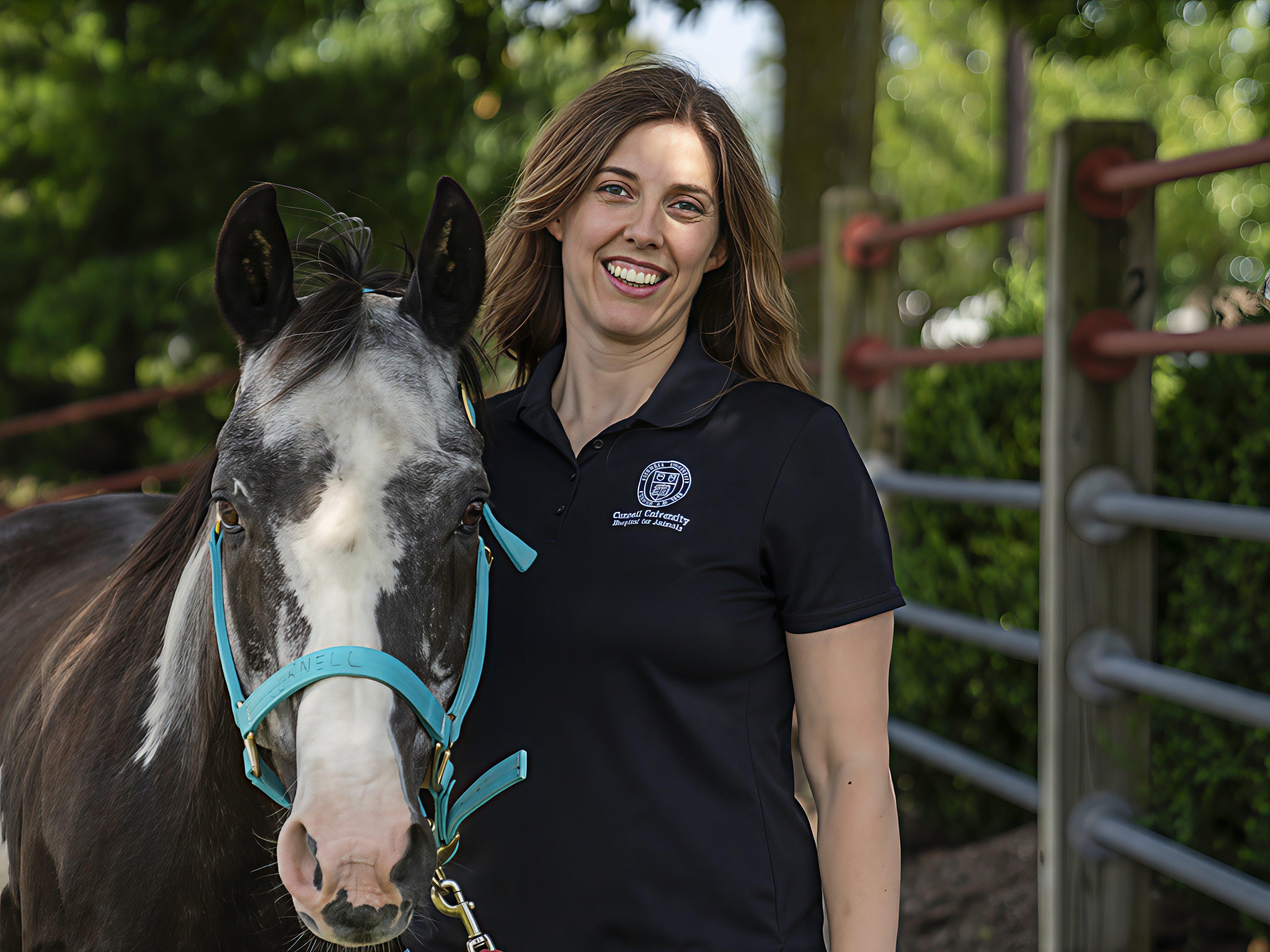
Dr. Barbara Delvescovo, DVM, DACVIM, DACVECC graduated from University of Parma, Italy and spent several years in equine private practice in Ireland, working both in hospital and ambulatory settings. Her clinical work included both racetrack and stud medicine, and hospital management of critically ill patients, especially foals. She later completed a residency in Large Animal Internal Medicine at Cornell University in 2020, followed by a two year fellowship in Equine Emergency and Critical Care. She is board-certified in Equine Internal Medicine as well as Emergency and Critical Care
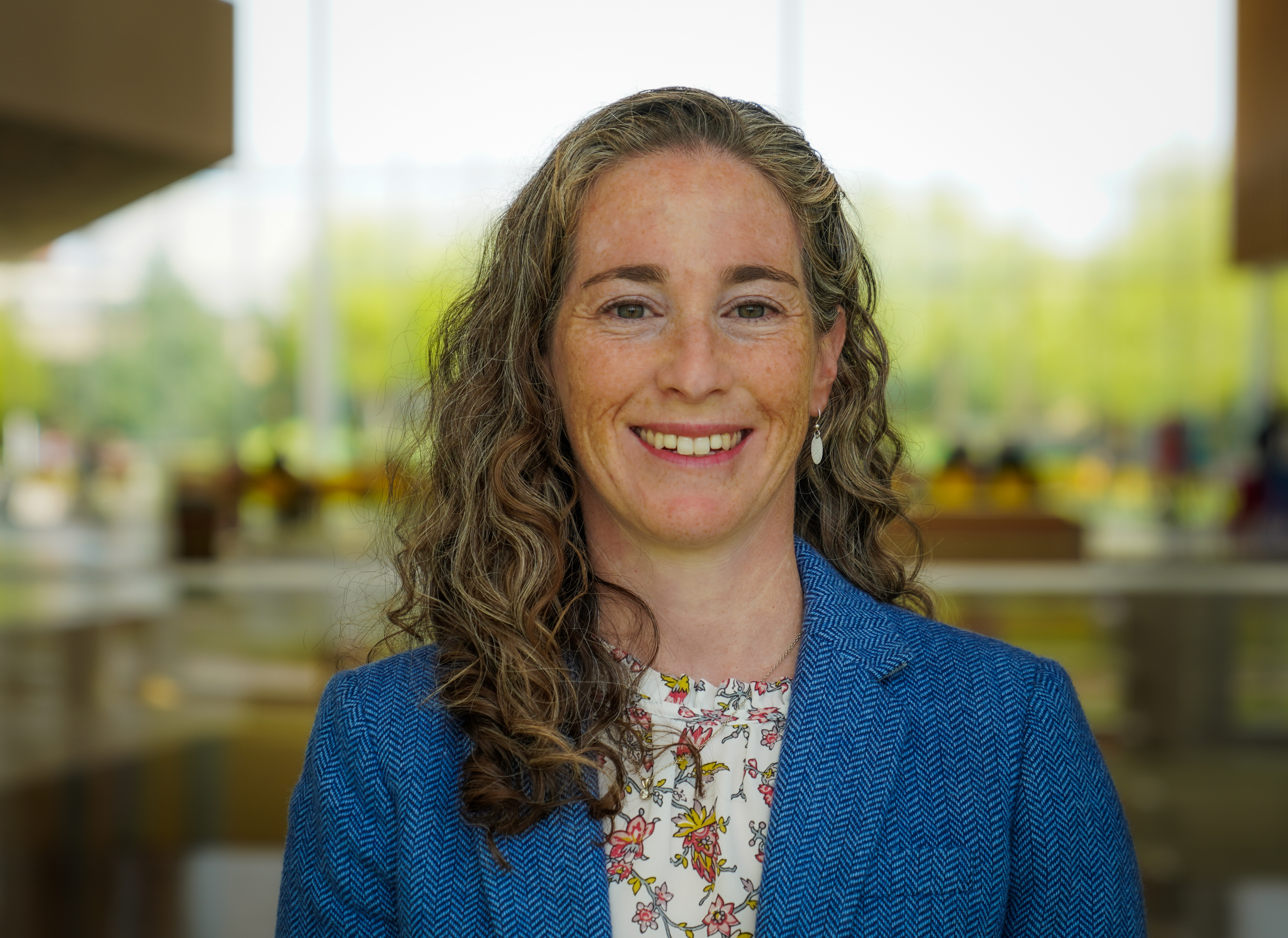 Dr. Toby Pinn-Woodcock, DVM, DACVIM, Assistant Clinical Professor, Cornell University Department of Population Medicine, is a member of the Veterinary Support Services team at the Cornell Animal Health Diagnostic Center (AHDC) and a clinician in Large Animal Internal Medicine at the Cornell Equine and Nemo Farm Animal Hospital. Dr. Pinn-Woodcock received her DVM degree from the University of Wisconsin, School of Veterinary Medicine in 2008, after which she completed a residency in large animal internal medicine at Cornell University, College of Veterinary Medicine (CVM). Dr. Pinn-Woodcock spent 6 years in private practice, which included equine ambulatory and referral practice,companion animal and large animal production medicine. She returned to Cornell in 2018 in her current role at the AHDC and CVM. Her areas of interest and research include large animal infectious disease and equine endocrinology. Dr. Toby Pinn-Woodcock, DVM, DACVIM, Assistant Clinical Professor, Cornell University Department of Population Medicine, is a member of the Veterinary Support Services team at the Cornell Animal Health Diagnostic Center (AHDC) and a clinician in Large Animal Internal Medicine at the Cornell Equine and Nemo Farm Animal Hospital. Dr. Pinn-Woodcock received her DVM degree from the University of Wisconsin, School of Veterinary Medicine in 2008, after which she completed a residency in large animal internal medicine at Cornell University, College of Veterinary Medicine (CVM). Dr. Pinn-Woodcock spent 6 years in private practice, which included equine ambulatory and referral practice,companion animal and large animal production medicine. She returned to Cornell in 2018 in her current role at the AHDC and CVM. Her areas of interest and research include large animal infectious disease and equine endocrinology.
Course Description:
Talk 1: Breathing Room: Diagnosing and Sampling the Geriatric Asthmatic Horse (BAL and Tracheal Wash Made Practical):
This lecture will provide a practical, case-based approach to evaluating geriatric horses presenting with respiratory signs. Attendees will review how to integrate history, physical examination, bloodwork, and thoracic ultrasound to distinguish asthma from other age-associated respiratory and systemic conditions, followed by a focused discussion of tracheal wash and bronchoalveolar lavage techniques with interpretation of fluid cytology. The session will also cover treatment strategies, including environmental modification, medical management, and thoughtful use of corticosteroids in horses with concurrent PPID to support long-term management of respiratory disease in geriatric horses.
Learning Objectives
1. Utilize a systematic, case-based approach to assess geriatric horses with respiratory signs, integrating history, physical examination, bloodwork, and thoracic ultrasound.
2. Identify appropriate indications for tracheal wash and bronchoalveolar lavage and accurately interpret fluid cytology to differentiate equine asthma from other respiratory and systemic conditions.
3. Develop effective long-term management plans for geriatric equine respiratory disease, including environmental modification, medical therapy, and judicious use of corticosteroids in horses with concurrent PPID.
Talk 2: Comfort First: Analgesia and Palliative Strategies for the Aging Equine:
As the equine population ages, practitioners are increasingly tasked with managing chronic pain, reduced mobility, and quality-of-life concerns in geriatric horses. This session presents a comfort-first approach to analgesia and palliative care, emphasizing realistic goals, multimodal pain management, and informed decision-making. The talk reviews current and emerging analgesic strategies, including pharmacologic, regenerative, and supportive therapies, and offers practical guidance on individualizing pain control while balancing efficacy, safety, cost, and owner expectations. Communication around palliative care, ethical boundaries, and end-of-life planning will also be addressed to support veterinarians in navigating complex clinical and emotional decisions.
Learning Objectives
Develop multimodal analgesic plans for aging horses with chronic pain.
Assess quality of life and define appropriate goals of care in geriatric equine patients.
Discuss palliative care options and end-of-life planning with owners in a clinical context
Talk 3: Thinning Out: A Logical Approach to Chronic Weight Loss in Older Horses:
This lecture will outline a practical, stepwise approach to evaluating chronic weight loss in the geriatric horse, emphasizing common age-related causes and diagnostic priorities. Attendees will review the role of thorough history-taking, physical and dental examinations, and baseline bloodwork in identifying metabolic, inflammatory, and organ-related disease. The session will also highlight the use of diagnostic imaging, including ultrasound, as well as fluid analysis and cytology to further refine differential diagnoses. Finally, indications for advanced diagnostics such as biopsies and targeted tissue sampling will be discussed to aid in the diagnosis of conditions such as neoplasia and chronic gastrointestinal disease.
Learning Objectives:
1. Develop a systematic diagnostic approach to chronic weight loss in the geriatric horse, incorporating history, physical examination, and baseline laboratory testing.
2. Recognize appropriate indications for advanced diagnostics, including ultrasonography, fluid cytology, and biopsy procedures, in older equine patients.
3. Apply diagnostic findings to refine differential diagnoses and guide clinical decision-making for common causes of chronic weight loss in geriatric horses.
Talk 4: Emergency Triage in the Geriatric Horse: Colic, Recumbency, and Decision-Making:
As the equine population ages, practitioners increasingly encounter geriatric horses presenting with colic, recumbency, or acute clinical deterioration. These cases demand rapid triage, focused diagnostics, and timely decision-making amid medical uncertainty and emotional pressure. This session presents a structured, pragmatic approach to emergency assessment in the aging horse, with emphasis on differentiating reversible disease from end-stage pathology. The role of point-of-care diagnostics, particularly abdominal and thoracic ultrasonography, will be highlighted through representative image examples to support real-time clinical decisions. Discussion will also address prognosis, referral considerations, financial and welfare constraints, when humane outcomes must be weighed alongside medical options.
Learning Objectives
1. Outline a practical triage approach for geriatric horses presenting with acute recumbency.
2. Describe a structured diagnostic approach to colic, including the use of point-of-care ultrasonography to guide decision-making.
3. Discuss prognosis and care options in time-sensitive situations, incorporating medical, ethical, and welfare considerations
Equine Abdominal and Thoracic Ultrasound Wet Lab:
This hands-on wet lab will provide veterinarians with focused training in abdominal and thoracic ultrasonography using live horses in a small-group learning environment. Participants will spend 1.5 hours scanning 2–3 horses under the direct guidance of a large animal internal medicine specialist. The format allows for individualized instruction, real-time feedback, and practical application of ultrasound techniques for use in everyday equine practice!! To be held at Cottonwood Stables in Colchester following the afternoon luncheon. Registration and Cost of the Ultrasound Wet Lab INCLUDED in the program registration
The Equine Program Made Possible By The Generous Sponsorship of:
Sunday Program: 9:00 AM- 4:30 PM- 6 CE Credits
Small Animal Dentistry with Dr. Daniel Clayton and Dr. Suzanna Hatunen
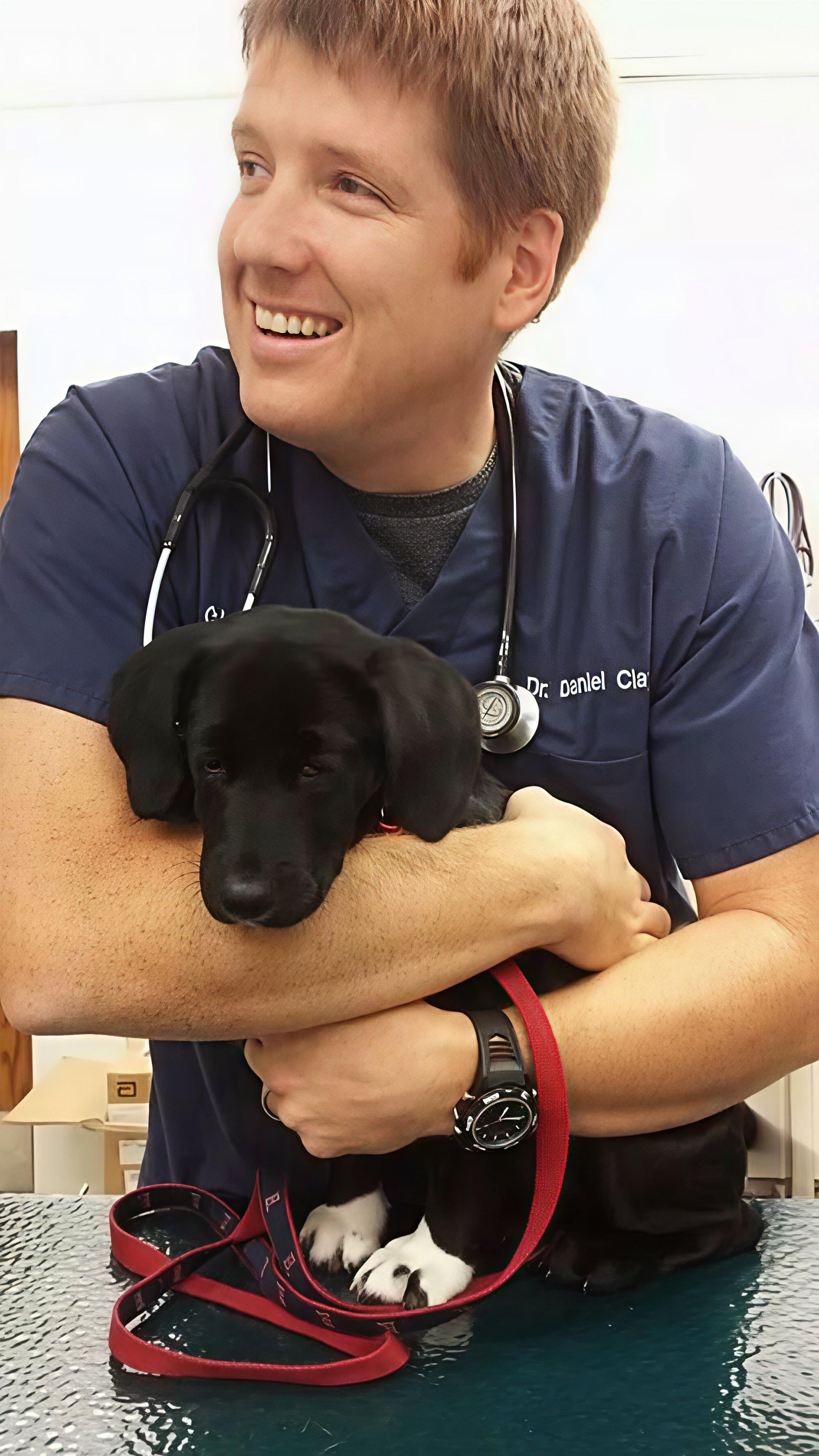 Dr. Daniel Clayton is a Board-Certified Veterinary Dentist® and Diplomate of the American Veterinary Dental CollegeTM. He began his veterinary dental career as a resident in Veterinary Dentistry and Oral Surgery at Veterinary Dental Services in Boxborough, MA in 2018. Prior to his residency, he worked as a small animal general practitioner for 12 years on Cape Cod after completing an internship in small animal emergency and surgery at VCA South Shore in Weymouth, MA in 2006. He received his Doctor of Veterinary Medicine degree from the University of Pennsylvania in 2005 and a Bachelor of Science in Biology from Penn State University in 1998. Dr. Clayton is a member of the Foundation for Veterinary Dentistry, the American Veterinary Medical Association, the Massachusetts Veterinary Medical Association and the Rhode Island Veterinary Medical Association. In 2023, Dr. Clayton started Veterinary Dentistry and Oral Surgery of Rhode Island and opened a veterinary dental referral practice in Warwick, RI in August of 2025. Dr. Clayton lives in the east bay of Rhode Island with his wife, Lisa, and their three children, Isla, Sean and Sam. Dr. Daniel Clayton is a Board-Certified Veterinary Dentist® and Diplomate of the American Veterinary Dental CollegeTM. He began his veterinary dental career as a resident in Veterinary Dentistry and Oral Surgery at Veterinary Dental Services in Boxborough, MA in 2018. Prior to his residency, he worked as a small animal general practitioner for 12 years on Cape Cod after completing an internship in small animal emergency and surgery at VCA South Shore in Weymouth, MA in 2006. He received his Doctor of Veterinary Medicine degree from the University of Pennsylvania in 2005 and a Bachelor of Science in Biology from Penn State University in 1998. Dr. Clayton is a member of the Foundation for Veterinary Dentistry, the American Veterinary Medical Association, the Massachusetts Veterinary Medical Association and the Rhode Island Veterinary Medical Association. In 2023, Dr. Clayton started Veterinary Dentistry and Oral Surgery of Rhode Island and opened a veterinary dental referral practice in Warwick, RI in August of 2025. Dr. Clayton lives in the east bay of Rhode Island with his wife, Lisa, and their three children, Isla, Sean and Sam.
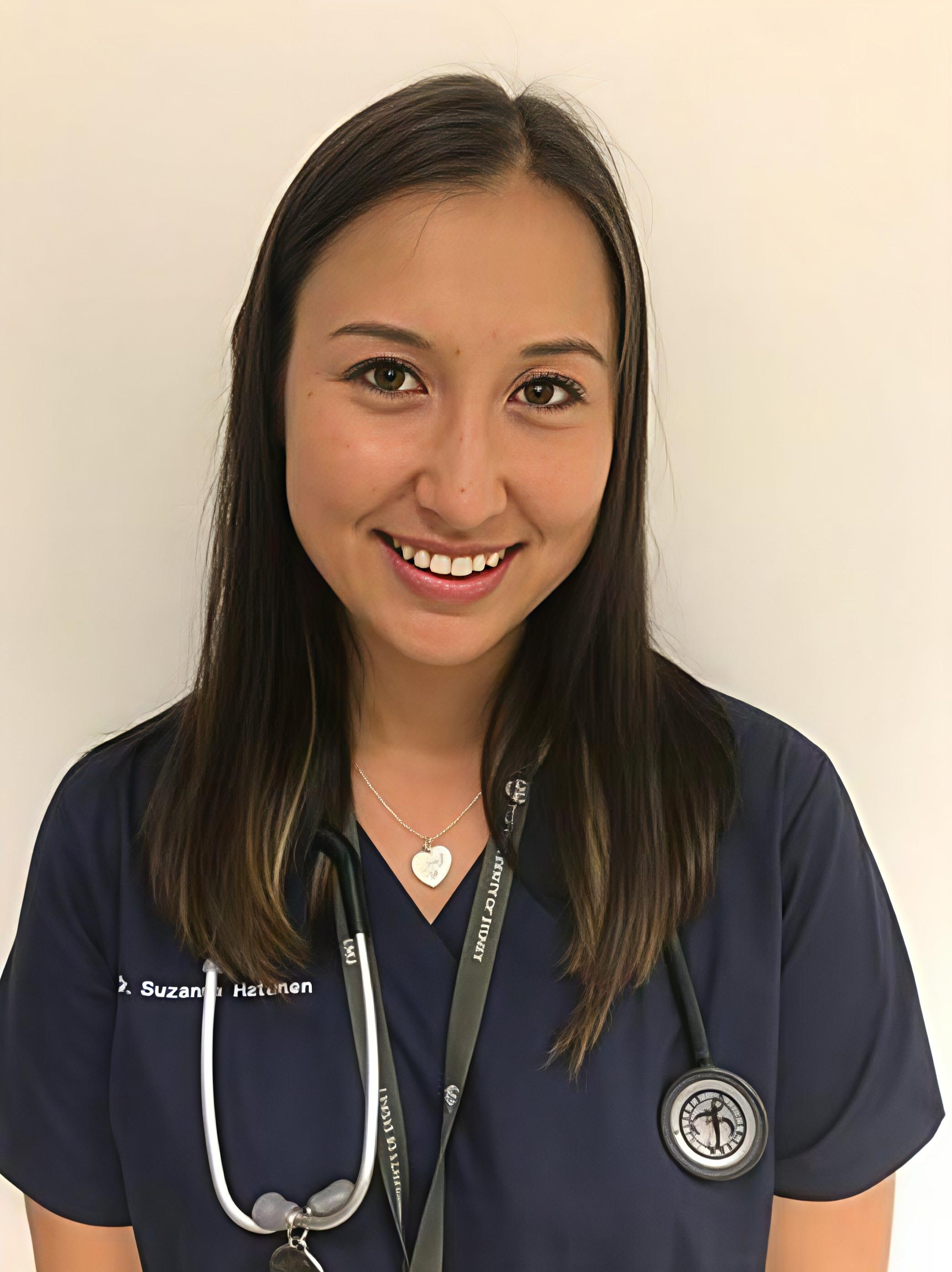 Dr. Suzanna Hatunen is a Board Certified Veterinary Dentist™ and Diplomate of the American Veterinary Dental College. A graduate of the University of Sydney in 2017, she completed internships in shelter medicine (RSPCA Yagoona) and a small animal rotating internship (University of Sydney Veterinary Teaching Hospital). After moving to the United States, she worked as a small animal general practitioner in Massachusetts before following her passion in veterinary dentistry. She undertook her residency at Veterinary Dental Services LLC. in Massachusetts, and is currently finishing her Oral Medicine Thomas P. Sollecito Fellowship remotely through the University of Pennsylvania Dental School. She received the 2024 Dr. Robert Wiggs Outstanding Candidate Award from the American Veterinary Dental College. She enjoys all aspects of veterinary dentistry & oral surgery, to help pets have a mouth free of pain and infection, and has a special interest in oral medicine. Dr. Suzanna Hatunen is a Board Certified Veterinary Dentist™ and Diplomate of the American Veterinary Dental College. A graduate of the University of Sydney in 2017, she completed internships in shelter medicine (RSPCA Yagoona) and a small animal rotating internship (University of Sydney Veterinary Teaching Hospital). After moving to the United States, she worked as a small animal general practitioner in Massachusetts before following her passion in veterinary dentistry. She undertook her residency at Veterinary Dental Services LLC. in Massachusetts, and is currently finishing her Oral Medicine Thomas P. Sollecito Fellowship remotely through the University of Pennsylvania Dental School. She received the 2024 Dr. Robert Wiggs Outstanding Candidate Award from the American Veterinary Dental College. She enjoys all aspects of veterinary dentistry & oral surgery, to help pets have a mouth free of pain and infection, and has a special interest in oral medicine.
Program Description:
Open Up and Say Ahh! What you are missing in every day oral exam
The purpose of this lecture is to introduce DVMs and VMDs to a thorough awake oral exam including nomenclature and orientation. It will expand on things to look for and begin to delve into the common dental abnormalities that can be identified by a quick but thorough oral exam. It will also expand on some of the most common pathologies and briefly discuss clinical treatment options and whether referral and more advanced imaging may be advised. This lecture will help lay the groundwork for the lectures that follow for the remainder of the series.
Growing Pains: Congenital & Juvenile Oral Issues in Dogs and Cats
This lecture helps the DVM and VMD to identify common pathologies that can be identified as puppies and kittens are being seen during their initial awake physical exams. This includes identification of common malocclusions that may cause pain and discomfort or other types of juvenile diseases that may need immediate attention. Treatment options available for many of these patients may provide immediate relief and help to plan for more long-term solutions as the adult teeth erupt. Treatment options may include conservative management with toys and chews, strategic extractions and in some cases orthodontics.
It's Not Just A Gum Phase: Periodontal Disease Explained
This talk is aimed at DVM's, VMD's and technicians who are interested in periodontal disease in dogs and cats. Emphasis will be placed on understanding disease progression, the importance of timely diagnosis and intervention, and effective ways to communicate dental disease and importance of treatment with clients. This fundamental talk will aim to be clinically relevant.
Part I: Periodontal anatomy, pathophysiology, and relevant oral findings on an awake examination.
Part II: How to diagnose periodontal disease in an anesthetized exam, including evaluating some relevant dental radiographs, and then covering treatment and preventative options that can be recommended.
Cat-astrophic Mouths: An Update and Review of Feline Chronic Gingivostomatitis
This lecture is aimed at DVM’s and VMD's who are interested in refreshing their knowledge on feline chronic gingivostomatitis (FCGS) and ways to navigate this complex disease. This presentation will review FCGS, highlighting recent advances in understanding the disease, typical clinical presentation, and approaches to diagnosis and treatment. The talk will cover common (and less common) clinical signs, diagnostics, treatment options, and prognosis. There will be opportunity for questions and discussion at the end.
Common Lumps and Bumps in the Canine and Feline Oral Cavity
This lecture is aimed at DVM's and VMD’s, who are interested in learning more about oral masses in the oral cavity of dogs and cats, and going through the most common lesions in dogs and cats- both benign and aggressive. This presentation will review oral masses in dogs and cats, highlighting the most commonly encountered lesions in clinical practice. Attendees will gain a practical understanding of how these masses present, how they are evaluated, and why early recognition is critical. We will also brush over some less common oral lesions, and the importance of a thorough oral exam. There will be an opportunity for questions throughout the talk, and interactive discussion with working through a diagnosis for oral lumps and bumps!
Extract or not to extract, that is the question! Radiographic Interpretation and Treatment Options of Common Radiographic Abnormalities. (DC)
The purpose of this lecture is to expose general practice veterinarians to a variety of common oral pathologies noted on dental radiographs and to help to determine treatment options including whether extraction, crown amputation, monitoring or more advanced treatments such as root canal therapy may be possible. When interpreting radiographs, there may be multiple options available to clinicians and that treatment may rely on multiple factors other than what may appear obvious. Often our clinical decisions require integration of our oral exam, imaging and a clinician’s comfort level when performing the necessary treatments. This lecture will be an interactive experience attempting to poll the audience to determine what our colleagues are doing when faced with similar clinical decisions.
Special Programs (Optional):
DEA Compliance with Chris Paquette – Saturday and Sunday, 7:30-8:30- 1 CE Credit
Presented by DEA Diversion Investigator Christopher Paquette, this session will review controlled substance compliance topics relevant to veterinary practices, including recordkeeping, security, DEA registration, and the Veterinary Drug Mobility Act. Proper disposal methods for liquid and tablet controlled substances will also be discussed.
Saturday, 12:30-1:30 pm – Lunch and Learn With Vermont Animal Welfare Director Lisa Milot- 1 CE Credit
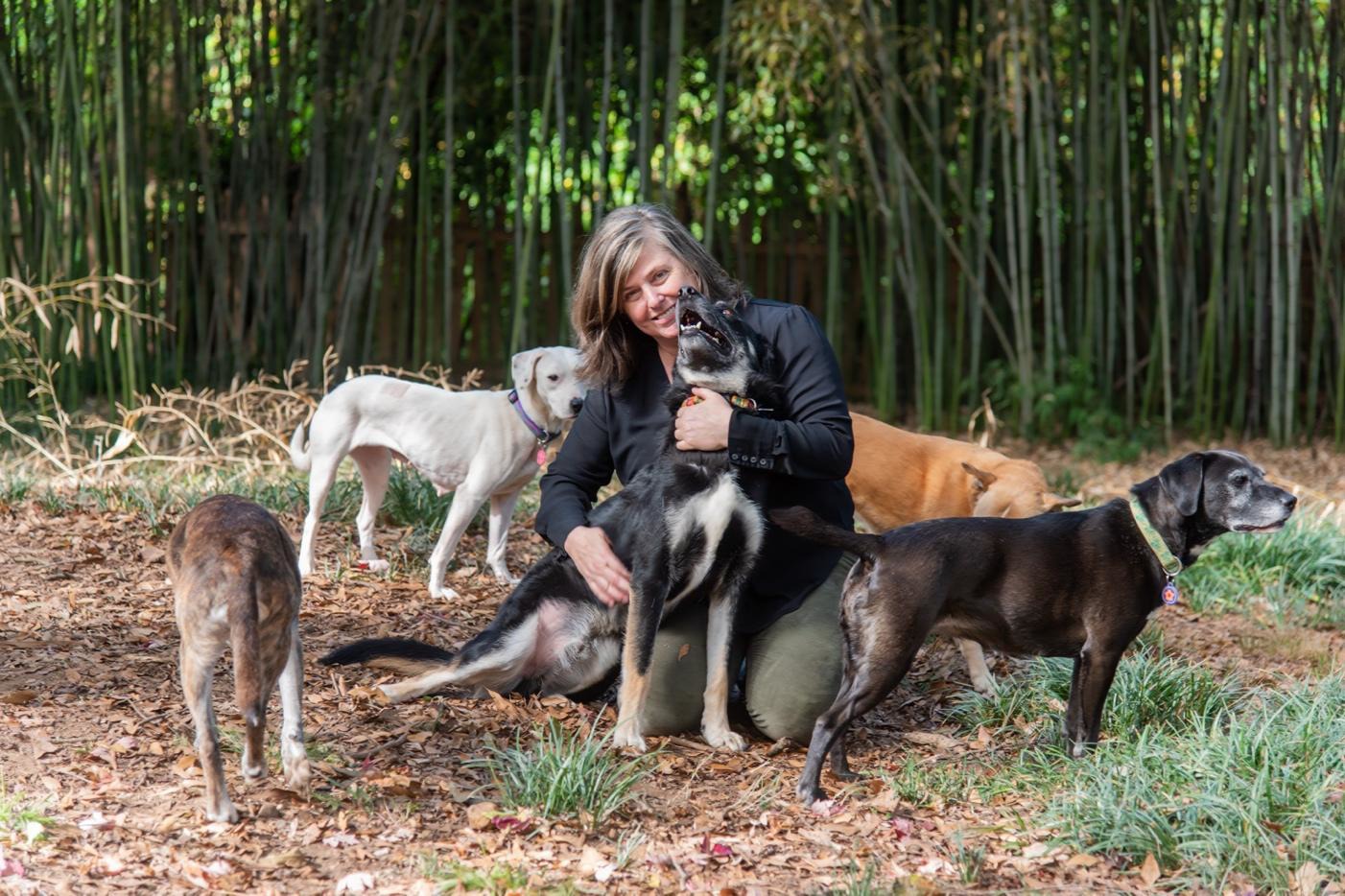 Lisa Milot is the Director of Animal Welfare for the State of Vermont. Previously, she was the Annie & Zack Stanton Distinguished Professor of Canine Welfare Law at the University of Georgia, the Director of the UGA Law Practicum in Animal Welfare Skills, and Executive Director of Athenspets, a 501(c)(3) organization dedicated to helping the most vulnerable animals in the Athens (GA) area and the people who love them. Lisa received grant funding to produce the Beyond Sheltering video series, available at https://www.youtube.com/@UGALawPAWS/videos, bringing together animal welfare experts from a variety of specialties to provide practical explanations of programs and laws to prevent and effectively prosecute animal cruelty. Lisa Milot is the Director of Animal Welfare for the State of Vermont. Previously, she was the Annie & Zack Stanton Distinguished Professor of Canine Welfare Law at the University of Georgia, the Director of the UGA Law Practicum in Animal Welfare Skills, and Executive Director of Athenspets, a 501(c)(3) organization dedicated to helping the most vulnerable animals in the Athens (GA) area and the people who love them. Lisa received grant funding to produce the Beyond Sheltering video series, available at https://www.youtube.com/@UGALawPAWS/videos, bringing together animal welfare experts from a variety of specialties to provide practical explanations of programs and laws to prevent and effectively prosecute animal cruelty.
Lisa will present on the Comprehensive Plan for the Division of Animal Welfare, including access to veterinary care initiatives and how veterinarians can help make the Division a success. Learning objectives include an understanding of (1) a veterinarian’s role in recognizing and reporting cruelty; (2) current legislation in Vermont affecting domestic animals; and (3) legislative efforts in other states affecting access to veterinary care.
Registration Fees:
If you are not a VVMA member and considering becoming a member, this is a great time to apply for membership . Once submitting your VVMA application, simply use the code "Newmember early" if registering "early bird" by February 20th or the code "Newmember" if registering after February 20th in order to receive Member pricing for the conference!
| One Day- Saturday or Sunday |
Register By 2/20/26 |
Register 2/20/26- 3/5/26 |
|
| Members |
$250 |
$275 |
|
Lifetime Members , Recent Grads,
Non-veterinarians (Use code "Non-veterinarian"), and Retired (Use code "Retired") |
$200 |
$225 |
|
| Non-Member Veterinarians |
$350 |
$375 |
|
| Saturday and Sunday |
Register By 2/20/26 |
Register 2/20/26- 3/5/26 |
|
| Members |
$450 |
$495 |
|
Lifetime Members , Recent Grads,
Non-veterinarians (Use code "Non-veterinarian- late registration" , and Retired (Use code "Retired- late registration") |
$360 |
$405 |
|
| Non-Member Veterinarians |
$630 |
$655 |
|
Questions? Call VVMA Executive Director Katherine Gray at 802-878-6888 or email [email protected].
|